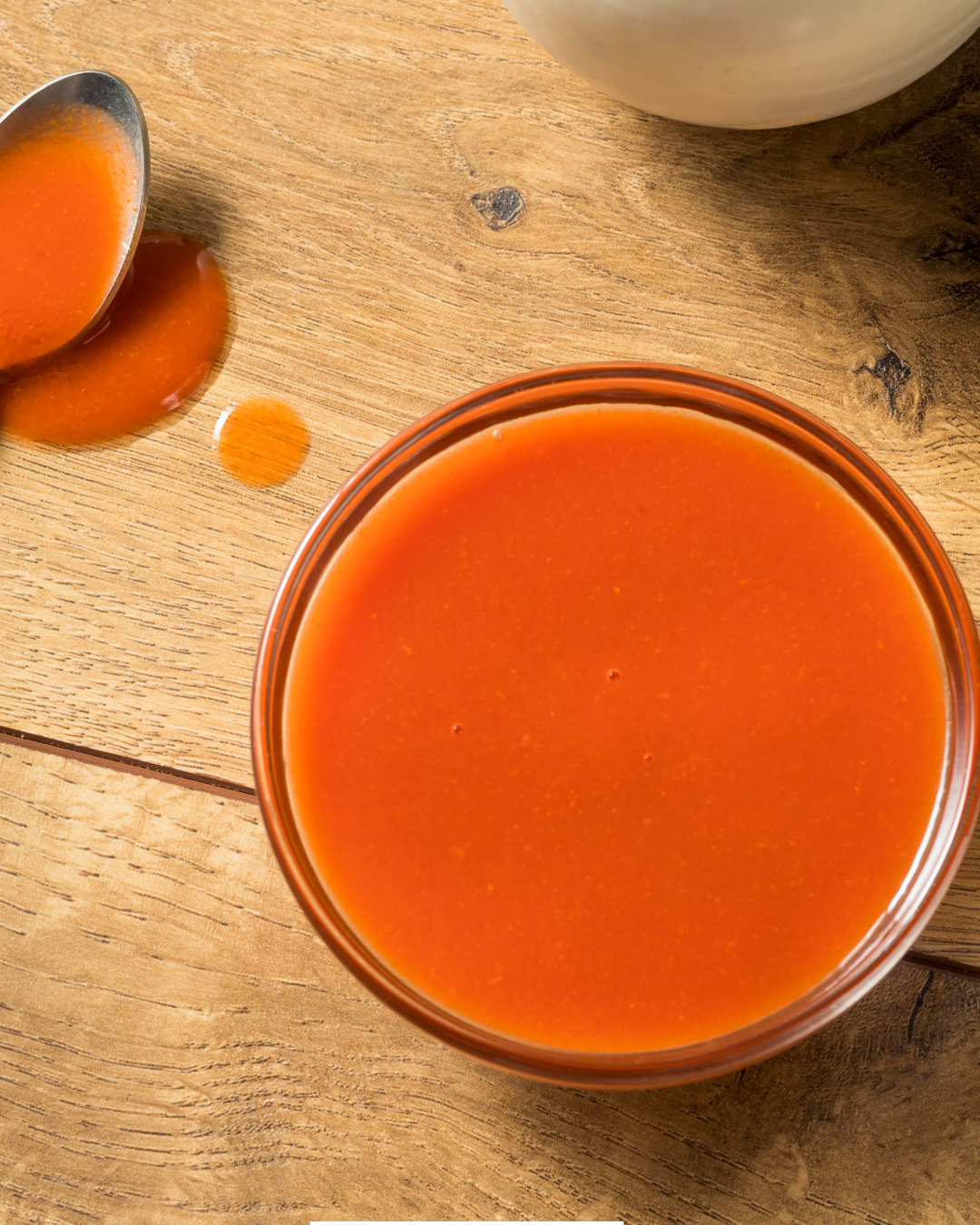
I’m sharing my take on a homemade Yellowbird hot sauce recipe that brings together fresh ingredients, bold flavors, and that signature kick you crave. It’s surprisingly easy to whip up, and the best part is that you can tweak the heat level and flavor profile to truly make it your own.
Table of Contents
How to make YellowBird Hot Sauce
YellowBird Hot Sauce is a Texas-born pepper sauce that struts into the kitchen wearing bold flavors and fresh ingredients like a superhero cape.
Ingredients
- 10 large carrots (peeled and chopped) – Carrots provide sweetness and act as the base for a smooth texture.
- 4 garlic cloves – Adds a bold and tangy depth of flavor.
- 2-3 fresh tangerines or oranges (juiced) – Adds the citrusy brightness often found in Yellowbird sauces.
- 1/4 cup apple cider vinegar – Provides acidity to balance the flavors.
- 6 fresh habanero peppers (or adjust to your spice preference) – The “yellow bird” signature heat. You can substitute with serrano peppers for a milder version or ghost peppers for extreme heat.
- 1/2 tsp turmeric powder – Adds warmth and an earthy undertone, as well as a vibrant yellow color.
- 1 tsp kosher salt – Enhances all the flavors.
- 1/2 tsp black pepper – Optional, for additional depth of flavor.
- 1/4 cup water: Use to thin out the sauce if it’s too thick during blending.
- 2 tbsp olive oil – Helps emulsify the sauce for a smoother, well-blended consistency.
Instructions
Follow these step-by-step instructions to make your Yellowbird hot sauce:
1. Prep the Ingredients: Peel and chop the carrots into small chunks for easier cooking. Remove stems from the habaneros. If you prefer less heat, remove the seeds and membranes from the peppers (wear gloves!). Juice the tangerines or oranges and keep the juice ready.
2. Cook the Base: Heat a large skillet or saucepan over medium heat and drizzle olive oil to coat. Sauté the carrots and garlic for 5-7 minutes until they soften and release their natural sweetness.
3. Blend Everything Together: In a blender or food processor, combine the sautéed carrots and garlic, tangerine juice, apple cider vinegar, habanero peppers, turmeric, salt, and black pepper. Add the olive oil and water (start with 1/4 cup water, adding more if needed) for consistency.
4. Blend Until Smooth: Blend until the mixture reaches a creamy, smooth texture. Taste and adjust acidity, salt, or heat as needed. If too thick, add more water; for more zing, add extra vinegar or citrus juice.
5. Store and Enjoy: Transfer the sauce into sterilized glass bottles or jars. Let it cool completely before sealing. Store the sauce in the refrigerator for up to 2-3 weeks. The flavors will develop further over time!
Tips for Making the Best Yellowbird Hot Sauce
- Adjust the Heat: If you love fiery sauces, add more habaneros or try ghost peppers. For a milder version, swap habaneros with jalapeños or serrano peppers.
- Experiment with Flavors: Customize the recipe by adding other ingredients like ginger (for a spicy zing), fresh cilantro (for an herbaceous twist), or agave syrup (to replicate Yellowbird’s sweet Blue Agave Sriracha).
- Consistency Matters: Yellowbird sauces are known for being smooth and spreadable. Add water and olive oil gradually to achieve your desired texture during blending.
- Work Fresh: The key to a Yellowbird-inspired sauce is using fresh, high-quality ingredients. Avoid canned or pre-packed veggies as they might lack the vibrant, natural flavors.
- Let It Sit: Hot sauce always tastes better after a day or two in the fridge. Let it sit to allow the flavors to fully meld together.
What to serve with
Yellowbird Hot Sauce is incredibly versatile, pairing well with a wide variety of dishes. Its vibrant, spicy, and flavorful profile complements everything from breakfast to dinner and even snacks!
1. Breakfast Favorites with a Kick
Start your mornings right by adding a touch of spice to your breakfast plate. Yellowbird sauces are not overpowering—they’re designed to elevate flavors while maintaining balance.
- Eggs: Drizzle over scrambled, fried, or poached eggs for a fiery, tangy twist.
- Avocado Toast: Enhance the rich creaminess of avocado with a layer of hot sauce and a sprinkle of salt and pepper.
- Breakfast Burritos: Add Yellowbird to your stuffed burritos with eggs, cheese, sausage, and avocado for that extra zing.
- Potato Hash: Toss roasted potatoes with hot sauce for spicy breakfast potatoes.
- Omelettes: Mix it into the eggs or spread it on top before serving.
2. Tacos and Mexican Dishes
Yellowbird Hot Sauce is a match made in heaven for Mexican-inspired dishes, as many of its flavors (like the citrusy and spiced notes) pair beautifully with classic Mexican ingredients.
- Tacos: Drizzle over grilled fish, shrimp, chicken, or steak tacos for smoky heat.
- Burrito Bowls: Mix hot sauce into your rice, beans, or meat for a flavour-packed meal.
- Quesadillas: Use it as a dip for cheesy quesadillas or spread it inside before cooking for an extra punch.
- Enchiladas: Spice up your enchilada sauce or drizzle on top after baking.
- Nachos: Mix Yellowbird into your sour cream or drizzle directly on chips for a spicy cheese pull.
Ingredients Substitutes
Want to make a Yellowbird hot sauce at home but don’t have all the ingredients on hand? No problem! The beauty of making your own hot sauce lies in flexibility—many ingredients can be substituted to fit your taste preferences, dietary needs, or what you have in your pantry.
1. Carrots (Sweet Base Ingredient)
Carrots serve as the natural sweet base for Yellowbird Hot Sauce. They add a smooth texture, a hint of earthy sweetness, and the signature vibrant orange color.
Substitutes:
- Sweet Potatoes: Provides a creamier base with similar natural sweetness. Will make the sauce slightly thicker and less vibrant in color.
- Bell Peppers (Orange or Red): Adds sweetness and gives the sauce a brighter, more pronounced pepper flavor. May reduce earthiness.
- Pumpkin or Butternut Squash: Great for fall-inspired flavors. Offers a thicker texture and slightly nutty flavour profile.
- Tomatoes: While not as sweet, they create a tangy base and work well if you’re aiming for a different flavor.
2. Habanero Peppers (Heat and Spice)
Habaneros are key to the heat and tropical fruity flavor in YellowBird Hot Sauce, but not everyone can handle their fiery kick—or you may want to use what’s available locally.
Substitutes:
- Serrano Peppers: A milder alternative, offering good heat without overwhelming spice while maintaining a fresh, green flavor.
- Jalapeños: Milder and more earthy; remove seeds and membranes for an even gentler spice profile.
- Fresno Peppers: Slightly fruity, medium heat level. Works well for flavor without overpowering spiciness.
- Cayenne Peppers: One of the closest replacements for heat intensity but lacks the fruitiness of habaneros.
- Ghost Peppers: Perfect if you’re looking to dial up the heat further for those who crave super-spicy sauces.
- Red Chili Flakes or Powder: If fresh peppers aren’t available, dried versions work well, but they might change the sauce’s consistency and flavor depth.
3. Citrus Juice (Tangy Brightness)
Yellowbird often incorporates tangerines or oranges for a sweet-tangy citrus burst. This ingredient is key in balancing the heat and earthiness of the sauce.
Substitutes:
- Lime or Lemon Juice: Provides sharper acidity and zest. Lime works particularly well if you’re leaning toward a Mexican-inspired flavor.
- Pineapple Juice: Adds tropical sweetness and acidity, mimicking the bright fruitiness of citrus.
- Mango Puree: A sweeter substitute with a thicker texture, perfect for a fruitier variation of the sauce.
- Vinegar: If citrus isn’t available, add extra apple cider vinegar or white vinegar to bring in tangy acidity.
- Grapefruit: For a slightly bitter but complex citrus flavor, perfect for adventurous palates.
4. Garlic (Savory Depth)
Garlic provides that savory, bold flavor that complements the sweet and spicy notes of the sauce.
Substitutes:
- Shallots: Milder and sweeter, shallots can add tang and subtle flavor depth instead of the pungency of garlic.
- Onion: Sweet or yellow onions can replace garlic but add a slightly richer sweetness.
- Garlic Powder: A good shelf-stable alternative, though fresh garlic gives a more robust kick.
- Roasted Garlic: For a sweeter and more mellow garlic flavor that blends smoothly in the sauce.
- Scallions/Green Onion: Adds mild onion flavor with a subtle garlic undertone.
5. Apple Cider Vinegar (Acidity)
The vinegar in Yellowbird Hot Sauce is essential to balance the flavors, preserve the sauce, and bring sharp tanginess.
Substitutes:
- White Vinegar: Works well as a direct substitute, though it’s slightly harsher in acidity.
- Rice Vinegar: Brings mild acidity and a touch of sweetness, especially good if you’re experimenting with Asian-inspired variations.
- Balsamic Vinegar: Adds complex sweetness but may darken the sauce and alter flavor.
- Red Wine Vinegar: Tart but richer, perfect for adding depth without changing acidity levels dramatically.
- Citrus Juices: Lemon, lime, or grapefruit juice can replace vinegar for acidity but will lighten the tang.
6. Turmeric Powder (Color & Warm Earthiness)
Turmeric gives the sauce its golden warmth and a slightly earthy undertone.
Substitutes:
- Curry Powder: Contains turmeric as part of the blend and adds extra spice complexity. Be mindful of added flavors.
- Fresh Turmeric Root: Use freshly grated turmeric for a bolder, more vibrant flavor and color.
- Paprika (Smoked or Sweet): Adds mild earthiness and red tones rather than yellow. Combine with other spices for a similar depth.
- Ground Cumin: A good substitute if you don’t mind replacing turmeric’s color with a more smoky, spicy flavor profile.
7. Olive Oil (Smooth Texture & Emulsification)
Yellowbird sauces have a smooth, luxurious texture thanks in part to olive oil, which also helps emulsify the ingredients.
Substitutes:
- Avocado Oil: Similar health profile and mild flavor, adds creaminess without altering the taste.
- Canola Oil or Vegetable Oil: Neutral-tasting oils that blend well, though they lack olive oil’s depth.
- Coconut Oil: Adds creaminess and a tropical hint; works well, especially if you’re leaning into fruity substitutes like mango or pineapple.
- Sesame Oil: Adds a nutty flavor twist, ideal for an Asian-inspired hot sauce variation.
8. Water (Consistency)
Water is used to thin out the sauce during blending so that it’s pourable yet still creamy.
Substitutes:
- Chicken or Vegetable Broth: Adds savory undertones while thinning the sauce. Perfect for a richer flavor profile.
- Coconut Water: Adds mild sweetness and a velvety texture while keeping the sauce tropical.
- Orange Juice: If you want to further enhance the sweetness and citrus notes, replace water fully or partially with citrus juice.
9. Salt and Black Pepper (Seasoning)
Salt and pepper round out all flavors in the sauce.
Substitutes:
- Kosher Salt vs. Sea Salt: Both can be used interchangeably; sea salt sometimes provides a more mineral-rich flavor.
- Chili Powder or Paprika: Replace black pepper for a smoky, spicy twist.
Final Thoughts
With this easy recipe, you can make your own version of Yellowbird hot sauce that’s perfect for dipping, drizzling over tacos, or spicing up your favorite dishes.
More Sauce Recipes:
- Copycat Kinder’s BBQ Sauce Recipe
- Haunted Habanero Sauce Recipe
- Copycat McDonald’s Spicy Pepper Sauce Recipe

Ingredients
- 10 large carrots
- 4 garlic cloves
- 2-3 fresh tangerines
- 1/4 cup apple cider vinegar
- 6 fresh habanero peppers
- 1/2 tsp turmeric powder
- 1 tsp kosher salt
- 1/2 tsp black pepper
- 1/4 cup water
- 2 tbsp olive oil
Instructions
1. Prep the Ingredients: Peel and chop the carrots into small chunks for easier cooking. Remove stems from the habaneros. If you prefer less heat, remove the seeds and membranes from the peppers (wear gloves!). Juice the tangerines or oranges and keep the juice ready.
2. Cook the Base: Heat a large skillet or saucepan over medium heat and drizzle olive oil to coat. Sauté the carrots and garlic for 5-7 minutes until they soften and release their natural sweetness.
3. Blend Everything Together: In a blender or food processor, combine the sautéed carrots and garlic, tangerine juice, apple cider vinegar, habanero peppers, turmeric, salt, and black pepper. Add the olive oil and water (start with 1/4 cup water, adding more if needed) for consistency.
4. Blend Until Smooth: Blend until the mixture reaches a creamy, smooth texture. Taste and adjust acidity, salt, or heat as needed. If too thick, add more water; for more zing, add extra vinegar or citrus juice.
5. Store and Enjoy: Transfer the sauce into sterilized glass bottles or jars. Let it cool completely before sealing. Store the sauce in the refrigerator for up to 2-3 weeks. The flavors will develop further over time!