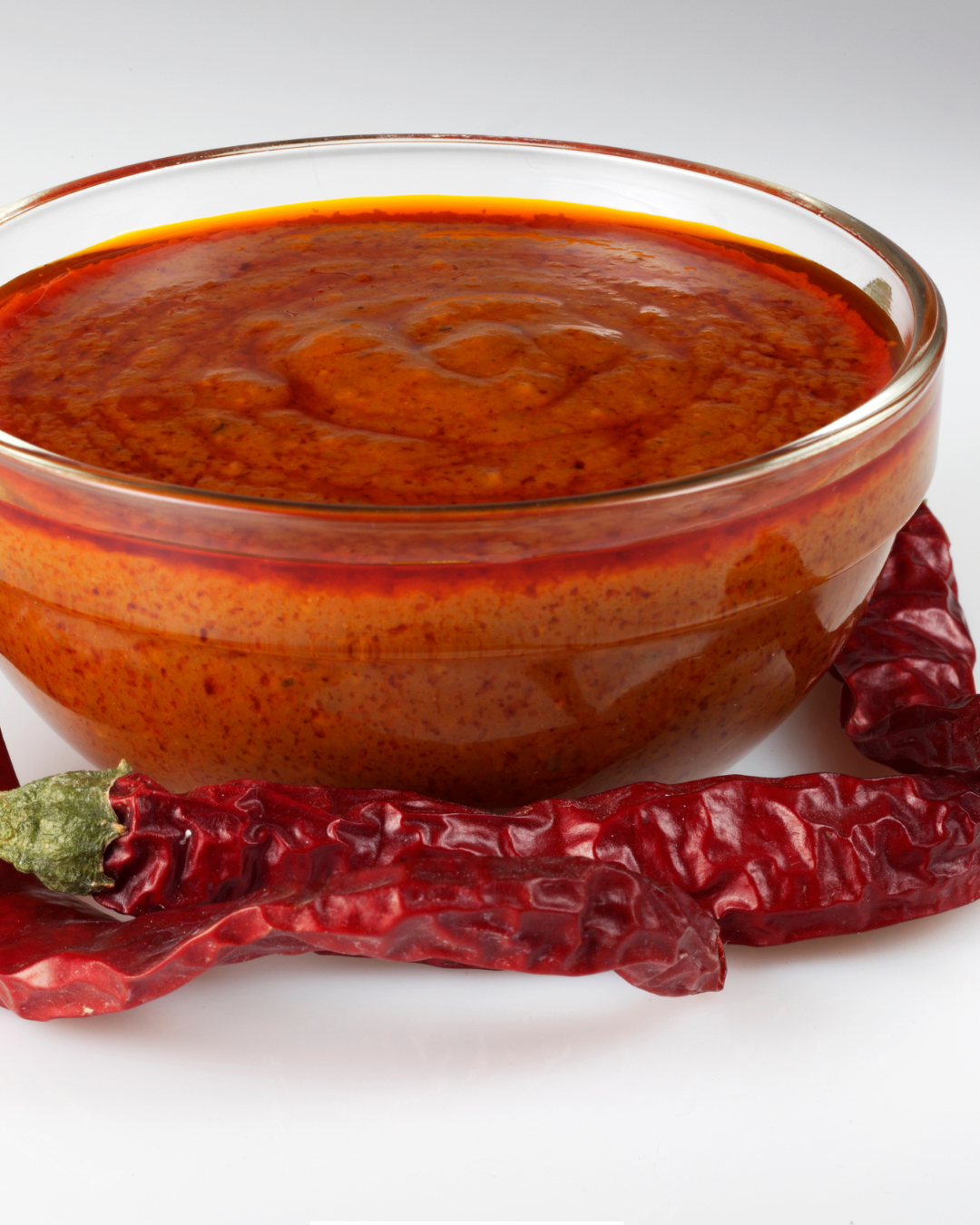
This iconic Mexican hot sauce has been a staple for spice lovers around the world, offering a fiery kick and unforgettable flavor that truly elevates any dish. For someone like me—who believes every meal can benefit from just a little heat—El Yucateco hot sauce is more than a condiment. It’s a tradition, a creative spark, and, quite frankly, the secret ingredient to a lot of my culinary triumphs!
Table of Contents
How to make El Yucateco Hot Sauce
El Yucateco Hot Sauce is a Mexican-made condiment crafted mostly from habanero peppers, blended with spices, vinegar, and other ingredients to create a bold, fiery flavor.
Ingredients
- 15-20 fresh habanero peppers (adjust quantity based on your heat tolerance)
- 2 cups white vinegar (for acidity and preservation)
- 2 garlic cloves (to add depth to the flavor)
- 1 medium carrot (optional, adds sweetness and balances heat)
- 1/4 white onion
- 1 teaspoon salt (adjust to taste)
- 1 teaspoon sugar (optional, for a slightly sweet edge)
- Juice of 1 lime
- 1 teaspoon cumin (or other Mexican spices for complexity)
- Fresh cilantro (for an herby note)
- Green food coloring (optional for aesthetics if you want to mimic El Yucateco’s signature vibrant green sauce)
Instructions
- Prepare the Ingredients: Trim the stem off your habanero peppers. For less heat, remove their seeds (but keeping them will intensify the spice!). Peel and roughly chop your garlic, onion, and carrot (if using).
- Cook the Base: In a saucepan, combine the peppers, onion, carrot, garlic, and white vinegar. Bring everything to a slight boil over medium heat, then lower the heat to simmer for 10–12 minutes. This allows the vegetables to soften, and the flavors meld together. Stir occasionally.
- Blend into a Sauce: Transfer the cooked mixture into a blender or food processor. Blend until completely smooth, adding extra vinegar (or water) to achieve your preferred consistency. Start slow if you’re unsure; you can always thin the sauce later!
- Season the Sauce: Add salt, sugar (if using), lime juice, and any additional spices to the blender. Blend again for 30–60 seconds to incorporate everything. Taste and adjust seasoning as needed.
- Strain (Optional): If you prefer a smoother texture, strain the sauce using a fine mesh strainer to remove any chunks or pulp.
- Cool and Store: Allow the sauce to cool completely. Transfer it to sterilized glass bottles or jars. Stored in the refrigerator, your homemade El Yucateco-style hot sauce should stay fresh for up to 2–3 weeks.
Tips for Perfecting Your Homemade El Yucateco Hot Sauce
- Wear Gloves: Habanero peppers are extremely hot, so wearing gloves while handling them helps prevent burns or irritation to your skin.
- Experiment with Heat Levels: If you’re new to super-spicy sauces, start with fewer habaneros and incorporate milder peppers like jalapeños to manage heat.
- Balanced Flavor: El Yucateco sauces are known for their deep, spicy notes but also have layers of subtle acidity and sweetness. Taste as you go; vinegar and sugar adjustments can make or break the flavor.
- Coloring and Presentation: If you’re aiming for an authentic look, El Yucateco uses vibrant coloring, which you can mimic by adding green food dye. However, skipping dye keeps the sauce natural.
- Custom Ingredients: Play with fresh herbs like cilantro or use smoked habaneros for a unique smoky variation. You could also roast the garlic or onion beforehand for richer flavors.
- Storage Tips: For a longer shelf life, consider adding a commercially manufactured vinegar with high acidity levels and ensure your storage container is airtight.
What to serve with
El Yucateco Hot Sauce is famously versatile, and its bold, spicy flavor can complement a wide variety of dishes.
Tacos: El Yucateco pairs beautifully with tacos of all kinds—beef, chicken, fish, or vegetarian. Drizzle it on top of soft corn tortillas filled with your favorite toppings, or serve it as a side condiment for people to customize their spice level. Try it with:
- Carnitas tacos
- Barbacoa tacos
- Grilled shrimp tacos
Burritos & Quesadillas: Transform a classic burrito or quesadilla into a mouthwatering experience by adding El Yucateco Hot Sauce. It works well inside the filling or as a dipping sauce on the side.
Enchiladas: Spread a bit of the hot sauce into your enchilada sauce for an extra spicy kick before layering it over stuffed tortillas.
Nachos: Drizzle El Yucateco over nachos piled high with cheese, beans, jalapeños, sour cream, and guacamole for bold Mexican-inspired flavor.
Tamales: Pair tamales with El Yucateco as a dipping sauce to complement the savory masa and fillings.
Ingredients Substitutes
Making a homemade version of El Yucateco hot sauce gives you the freedom to adapt the recipe to suit your taste, dietary needs, or ingredient availability.
1. Fresh Habanero Peppers
Habaneros are the key component of El Yucateco hot sauce, as they provide its signature fiery heat and fruity, citrusy undertones. However, not everyone can easily find habaneros or handle their intense spice level.
Substitutes for Habanero Peppers:
- Scotch Bonnet Peppers: Closest match to habaneros in terms of flavor and heat. These are just as spicy but slightly sweeter.
- Serrano Peppers: A milder option with bright heat and a fresh, grassy flavor. Perfect for a toned-down version of the sauce.
- Thai Chili Peppers: These pack heat similar to habaneros but may lack the fruity flavor profile.
- Jalapeño Peppers: Ideal for those who prefer a milder hot sauce. The flavor is less intense but still gives a kick, especially if you keep the seeds in.
- Anaheim or Poblano Peppers: These are very mild alternatives that won’t replicate the heat but add smoky, earthy flavors.
- Dried Chili Alternatives: If fresh peppers aren’t available, you can use dried chilies like chipotle (for smokiness), guajillo, or arbol peppers (for heat). Rehydrate them beforehand for a smoother texture.
- Bell Peppers: For a completely mild version, you can replace habaneros with bell peppers. This will eliminate heat but still provide the base for a flavorful sauce.
2. White Vinegar
White vinegar gives El Yucateco hot sauce its sharp tanginess and helps preserve the sauce for longer. However, you can use other acidic ingredients if you want to adjust the flavor profile or try something different.
Substitutes for White Vinegar:
- Apple Cider Vinegar: Adds a more rounded, slightly sweet acidity compared to white vinegar. Great for a depth of flavor.
- Rice Vinegar: A milder choice that’s slightly sweeter, making it ideal if you’re looking for a gentler tang.
- Red Wine Vinegar: Provides a richer, fruitier tang with more complexity.
- Distilled Malt Vinegar: Perfect for those who want a sharper, slightly citrusy acidity to balance the spice.
- Fresh Citrus Juice: Lime juice or lemon juice can replace vinegar for a burst of zesty freshness. These won’t preserve the sauce for as long, but they’ll add brightness.
- White Wine or Champagne Vinegar: Subtle and slightly floral, these options are good for gourmet versions of the hot sauce.
3. Garlic
Garlic is used to add savory depth to the sauce. If garlic isn’t available, or you want to try a different approach, you can experiment with these options.
Substitutes for Garlic:
- Garlic Powder or Granulated Garlic: These offer concentrated garlic flavor but less pungency. Use about half the quantity of fresh garlic.
- Shallots: Milder and slightly sweet, shallots can be used instead of garlic for a softer taste.
- Roasted Onions: Enhance depth and replace garlic with caramelized onions for a similar savory profile.
- Ginger: If you’re looking for a twist on the traditional flavor, grated ginger adds spice and zest in place of garlic.
4. Onion
Onion brings sweetness and an earthy undertone to the hot sauce. If you’re out of fresh onions or want to experiment, here are alternatives.
Substitutes for Onion:
- Shallots: A milder version of onion that works well.
- Leeks: Sweet and delicate, leeks can add a similar flavor profile.
- Scallions (Green Onions): Their mild sharpness pairs well with habaneros for a lighter onion flavor.
- Chives: A subtle and herbaceous substitute.
5. Carrot (Optional Ingredient)
Carrots are often added to balance the heat with their natural sweetness and give the sauce a silky texture. If you prefer to replace them, here are excellent alternative ingredients.
Substitutes for Carrot:
- Sweet Bell Peppers: Bell peppers provide sweetness and add a smoother texture.
- Mango or Pineapple: For a fruity twist, these tropical fruits add both sweetness and acidity.
- Apple: Adds a mild sweetness and complements the heat of the peppers well. Grate the apple and soften it alongside the peppers during cooking.
- Pumpkin or Butternut Squash: These add a similar texture and mild sweetness with a seasonal twist.
- Sweet Potatoes: Sweet, starchy, and flavorful, sweet potatoes work as a good alternative, especially if you want a thicker sauce.
6. Salt
Salt amplifies all the other flavors in the hot sauce, but there are alternatives if you’re looking to try something unique or avoid excess sodium.
Substitutes for Salt:
- Soy Sauce: Low-sodium soy sauce can bring both saltiness and umami.
- Coconut Aminos: A slightly sweeter alternative to soy sauce with less sodium.
- Miso Paste: Adds depth and some saltiness, plus a rich savory flavor.
- Seaweed Powder: A natural source of umami and salt without adding any preservatives.
7. Sugar (Optional)
Sugar helps balance the acidity and heat in the sauce, making it more approachable. If you want to avoid sugar or try other sweeteners, here are substitutes:
Substitutes for Sugar:
- Honey: A natural sweetener that adds floral undertones that complement habaneros well.
- Agave Nectar: Perfect for a mild, natural sweetness that blends smoothly into the sauce.
- Brown Sugar: Provides a richer, molasses-like sweetness for added complexity.
- Maple Syrup: Adds a distinctive, caramel-like sweetness that pairs well with spicy flavors.
- Stevia or Monk Fruit: Ideal for anyone watching their sugar intake, as these alternatives provide sweetness without calories.
Frequently Asked Questions
What is El Yucateco hot sauce made of?
El Yucateco hot sauce is primarily made from habanero peppers, which give it its signature heat and flavor. Other ingredients typically include white vinegar, garlic, onion, carrots, lime juice, and seasonings like cumin. This blend creates a spicy and tangy sauce that enhances various dishes.
How hot is El Yucateco hot sauce?
This hot sauce is considered very spicy due to the use of habanero peppers, which can range from 100,000 to 350,000 Scoville Heat Units (SHU). The exact heat level can vary between different variants of the sauce, so it’s best to start with a small amount if you’re sensitive to spice.
How long does homemade El Yucateco hot sauce last?
When stored properly in sterilized glass bottles or jars and kept in the refrigerator, homemade El Yucateco hot sauce can last for 2 to 3 weeks. If you notice any off flavors or changes in color, it’s best to discard it.
Can I adjust the heat level of the hot sauce?
Absolutely! You can control the spiciness by adjusting the quantity of habanero peppers or using milder peppers like jalapeños. Removing the seeds and membranes from the habaneros will also help reduce the heat.
What can I use El Yucateco hot sauce on?
El Yucateco hot sauce is versatile and can be used on tacos, burritos, quesadillas, enchiladas, nachos, and even grilled meats. It’s a great way to add an extra punch of flavor to your favorite dishes or to spice up dips and marinades.
Final Thoughts
From traditional Mexican dishes to creative fusion recipes, there are endless ways to enjoy El Yucateco Hot Sauce. Its vibrant flavors and robust spice make it the perfect partner for anyone looking to spice up their meals.
More Sauce Recipes:
Ingredients
- 15-20 fresh habanero peppers
- 2 cups white vinegar
- 2 garlic cloves
- 1 medium carrot
- 1/4 white onion
- 1 teaspoon salt
- 1 teaspoon sugar
- Juice of 1 lime
- 1 teaspoon cumin
- Fresh cilantro
- Green food coloring
Instructions
- Prepare the Ingredients: Trim the stem off your habanero peppers. For less heat, remove their seeds (but keeping them will intensify the spice!). Peel and roughly chop your garlic, onion, and carrot (if using).
- Cook the Base: In a saucepan, combine the peppers, onion, carrot, garlic, and white vinegar. Bring everything to a slight boil over medium heat, then lower the heat to simmer for 10–12 minutes. This allows the vegetables to soften and the flavors meld together. Stir occasionally.
- Blend into a Sauce: Transfer the cooked mixture into a blender or food processor. Blend until completely smooth, adding extra vinegar (or water) to achieve your preferred consistency. Start slow if you’re unsure; you can always thin the sauce later!
- Season the Sauce: Add salt, sugar (if using), lime juice, and any additional spices to the blender. Blend again for 30–60 seconds to incorporate everything. Taste and adjust seasoning as needed.
- Strain (Optional): If you prefer a smoother texture, strain the sauce using a fine mesh strainer to remove any chunks or pulp.
- Cool and Store: Allow the sauce to cool completely. Transfer it to sterilized glass bottles or jars. Stored in the refrigerator, your homemade El Yucateco-style hot sauce should stay fresh for up to 2–3 weeks.