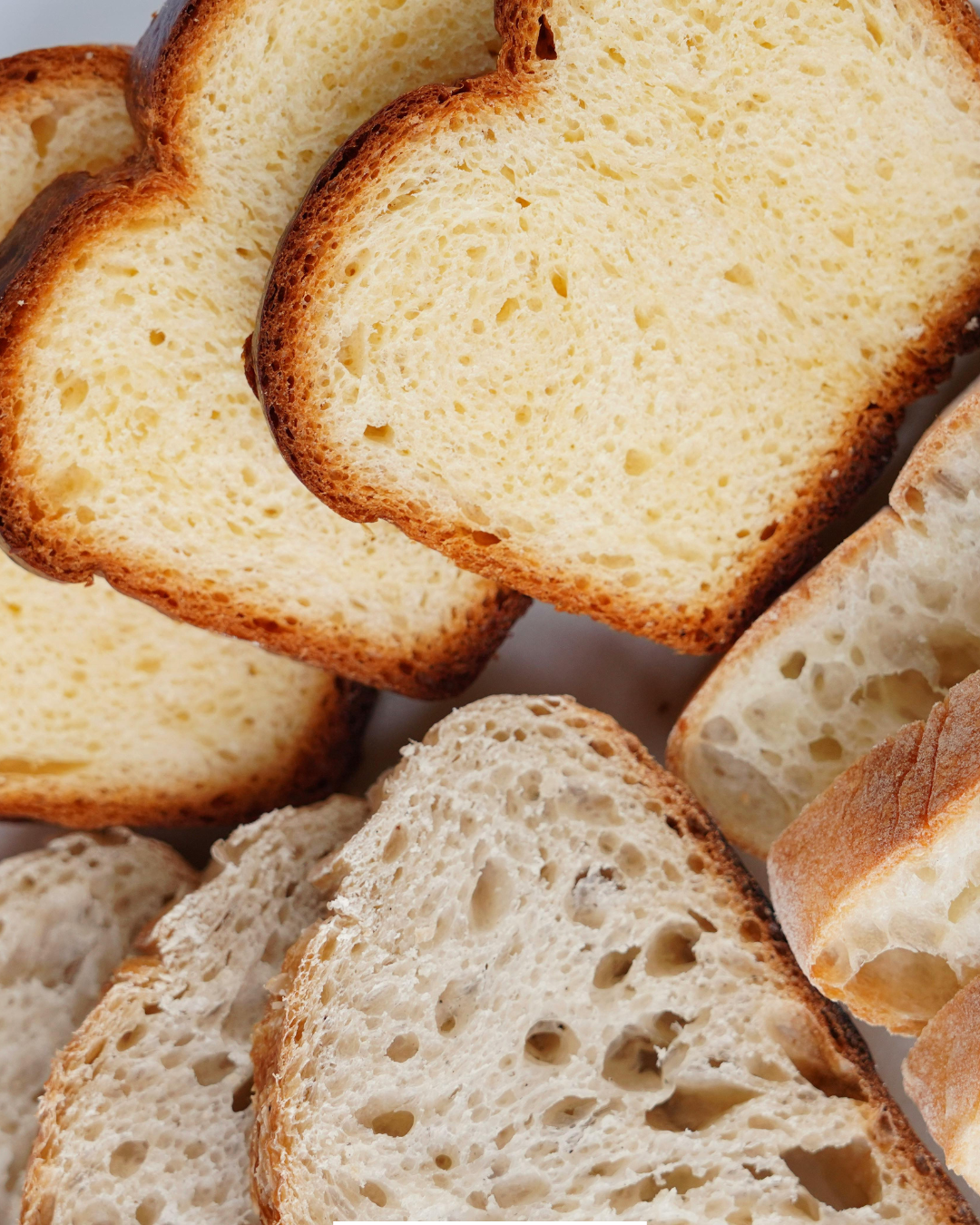
Let’s face it—sometimes store-bought bread doesn’t quite hit the mark, especially if you’re looking for something that’s extra fresh or tailored to your specific taste preferences. That’s why I’m so excited to share this simple and foolproof recipe to help you make your own Whole Foods gluten-free bread at home!
Table of Contents
How to make Whole Foods Gluten-Free Bread
Whole Foods Gluten-Free Bread is a bakery or packaged loaf sold at Whole Foods Market that’s made without wheat, barley, or rye—grains that contain gluten.
Ingredients
For the dry ingredients:
- 2 cups gluten-free all-purpose flour (look for a mix that includes xanthan gum or guar gum for binding)
- ½ cup almond flour (adds moisture and a hint of nutty flavor)
- ½ cup tapioca flour (helps with that chewy bread texture)
- 2 tbsp flaxseed meal (optional, for added fiber and nutrition)
- 1 sachet (2 ¼ tsp) active dry yeast
- 1 tbsp sugar or honey (feeds the yeast)
- 1 tsp salt
For the wet ingredients:
- 1 cup warm water (around 110°F, not too hot or the yeast won’t activate)
- ¼ cup olive oil (or any neutral oil)
- 2 large eggs (room temperature, for structure and rise)
Instructions
Step 1: In a small bowl, combine the warm water, sugar (or honey), and yeast. Stir gently until dissolved, and let it sit for about 5–10 minutes until it becomes foamy. If it doesn’t foam, your yeast might be inactive—try again with fresh yeast.
Step 2: In a large mixing bowl, whisk together the gluten-free all-purpose flour, almond flour, tapioca flour, flaxseed meal (if using), and salt. Create a well in the center to add the wet ingredients.
Step 3: Add the olive oil, eggs, and the activated yeast mixture to the dry ingredients. Using a hand mixer with dough hooks or a sturdy spatula, mix the dough thoroughly. The consistency should be slightly sticky but spreadable—closer to a thick batter than traditional dough.
Step 4: Transfer the dough to a lightly greased loaf pan or line it with parchment paper. Smooth the surface using a wet spatula or the back of a spoon. Cover the pan loosely with a damp kitchen towel or plastic wrap. Let the dough rise for 45 minutes to 1 hour in a warm place (such as a slightly warm oven that’s turned off) until it doubles in size.
Step 5: Preheat your oven to 375°F (190°C). Bake the bread for 35–40 minutes, or until the top is golden brown and a toothpick inserted in the center comes out clean. Let the bread cool in the pan for 10 minutes, then transfer to a wire rack to cool completely before slicing.
Tips for Success
- Choose the right flour blend: Make sure your gluten-free all-purpose flour contains binding agents like xanthan gum or guar gum. If your mix doesn’t include these, add 1 tsp xanthan gum to the recipe.
- Perfect yeast activation: Water temperature is critical for activating yeast. Aim for around 110°F—warm, but not too hot. If the yeast mixture isn’t foamy, start over.
- Don’t skip the rise: Gluten-free bread dough needs time to rise so the yeast can do its magic. A warm environment helps speed up the process.
- Avoid overbaking: Gluten-free bread tends to dry out faster if overbaked. Start checking for doneness around the 30-minute mark using the toothpick test.
- Store properly: Gluten-free bread is best enjoyed fresh but can be stored for up to 3 days at room temperature in an airtight container. You can also freeze slices for longer storage and toast them as needed.
What to serve with
Whole Foods Gluten-Free Bread is versatile, and pairing it with the right foods can elevate every meal, whether it’s breakfast, lunch, dinner, or even a snack.
- Avocado Toast: Toast a slice of Whole Foods Gluten-Free Bread until golden and crispy. Spread mashed avocado seasoned with a pinch of salt, pepper, lemon juice, and a drizzle of olive oil.
- Nut Butter and Fresh Fruit: Slather your Whole Foods Gluten-Free Bread with almond butter or peanut butter and top it with sliced bananas, strawberries, or blueberries.
- Scrambled Eggs & Veggies: Serve your Whole Foods Gluten-Free Bread alongside fluffy scrambled eggs with sautéed spinach, tomatoes, or mushrooms. Add a dollop of cream cheese or goat cheese for creaminess.
- Yogurt Toast (TikTok trend!): Spread Greek yogurt mixed with honey on your toasted gluten-free bread. Top with granola and fresh fruit for a healthy and fun breakfast idea.
Ingredients Substitutes
Finding the right balance of flavors and textures in gluten-free bread can be tricky, but substitutions can help you customize the loaf to fit your dietary needs, budget, or personal preferences.
Substitutes for Gluten-Free All-Purpose Flour
Gluten-free all-purpose flour is often the base for gluten-free breads as it mimics traditional wheat flour. However, if you don’t have it available or want to experiment, here are some alternatives:
- Rice Flour (White or Brown): Swap an equal amount of gluten-free all-purpose flour with rice flour. It creates a light texture but may need xanthan gum or guar gum to improve binding.
- Oat Flour: Oat flour adds a mild, nutty flavor to bread and works well when combined with starches like tapioca or potato starch.
- Cassava Flour: Made from the cassava root, it’s grain-free and gives bread a chewy, soft texture. Use 1:1 for gluten-free flour but reduce liquid slightly as it’s more absorbent.
- Chickpea Flour: Chickpea (or garbanzo bean) flour is protein-rich and great for structure. Use it sparingly (up to 50%) as it can have a slightly earthy taste.
Substitutes for Almond Flour
Almond flour adds moisture and a subtle nutty flavor to Whole Foods Gluten-Free Bread. If you prefer nut-free options or don’t have almond flour, here are substitutes:
- Sunflower Seed Flour: An excellent nut-free substitute that provides similar moisture and richness. Keep in mind that it might turn green due to its reaction with baking powder but is completely safe to eat!
- Coconut Flour: Coconut flour is highly absorbent, so you’ll need less—usually ¼ cup for every cup of almond flour. Increase the liquid in the recipe to compensate for its dryness.
- Pumpkin Seed Flour: Blend raw pumpkin seeds into a fine powder for a nut-free alternative. It adds protein and a mild flavor that works particularly well in savory bread.
Substitutes for Tapioca Flour
Tapioca flour helps give gluten-free bread a chewy and soft texture. If you don’t have it, there are similar starch alternatives:
- Arrowroot Powder: Use arrowroot powder as a 1:1 replacement for tapioca flour. It works similarly in binding and texture.
- Cornstarch: Cornstarch can replace tapioca flour in equal amounts. It’s useful for lightening the texture and binding ingredients together.
- Potato Starch: Another excellent alternative, potato starch adds softness to baked goods but may result in slightly denser bread.
Substitutes for Eggs
Eggs are key for structure and rise in gluten-free bread, but there are many substitutes for those avoiding eggs due to allergies, preferences, or a vegan diet:
- Flaxseed Meal: Mix 1 tbsp flaxseed meal with 2½ tbsp water to create 1 “flax egg.” This substitute works well for binding but may not provide the same rise as eggs.
- Chia Seeds: Similar to flax, mix 1 tbsp chia seeds with 2½ tbsp water for a “chia egg.” It’s great for binding and adds a bit of crunch to your bread texture.
- Applesauce: Replace each egg with ¼ cup unsweetened applesauce. This is best for moisture and helps with a slightly sweet flavor profile.
- Aquafaba: Use 3 tbsp aquafaba (the liquid from canned chickpeas) for each egg. It’s excellent for structure and helps the bread rise.
- Yogurt or Dairy-Free Yogurt: Replace each egg with ¼ cup plain yogurt, which adds moisture and richness to the bread. Opt for dairy-free options like coconut yogurt for vegan recipes.
Substitutes for Yeast
If you can’t use yeast due to allergies or lack of availability, you can still enjoy fluffy gluten-free bread with other leavening options:
- Baking Powder & Baking Soda Combination: Instead of yeast, you can add 1 tsp baking powder and ½ tsp baking soda per loaf, mixing it into the dry ingredients. Be sure to add an acidic component (such as 1 tbsp vinegar or lemon juice) to activate the rise.
- Sourdough Starter (Gluten-Free): Use a homemade gluten-free sourdough starter for a natural alternative to yeast. It adds a tangy flavor and helps the bread rise naturally, but requires some preparation beforehand.
- Carbonated Water: Replace part of the water in the recipe with carbonated water—its bubbles add lift and enhance the bread’s fluffiness.
Substitutes for Sweeteners (Sugar or Honey)
Sweeteners in the bread feed the yeast and add subtle flavor. Here are alternative options:
- Maple Syrup: An excellent natural sweetener, replace sugar or honey in equal amounts with maple syrup for a subtle caramel-like flavor.
- Agave Syrup: Agave syrup works well in place of honey for vegan recipes and adds mild sweetness.
- Stevia or Monk Fruit: For low-carb or sugar-free options, use these zero-calorie natural sweeteners. Adjust amounts according to their strength (stevia is far sweeter than sugar).
- Date Paste: Blend dates with a bit of water to create a paste for sweetness and added nutrients.
Substitutes for Olive Oil
Olive oil adds richness and moisture to bread. If you prefer alternatives, here are options:
- Avocado Oil: A neutral-flavored oil, avocado oil is a great substitute for olive oil and offers healthy fats.
- Coconut Oil: Melted coconut oil works perfectly in gluten-free bread, especially for sweeter flavors. Opt for refined coconut oil if you prefer less coconut aroma.
- Butter or Vegan Butter: Substituting olive oil with melted butter adds richness. Use vegan alternatives for dairy-free recipes.
Final Thoughts
Your homemade Whole Foods Gluten-Free Bread is not just a loaf—it’s a canvas for incredible meals and creative snacks.
More Whole Foods Recipes:
Ingredients
For the dry ingredients:
- 2 cups gluten-free all-purpose flour
- ½ cup almond flour
- ½ cup tapioca flour
- 2 tbsp flaxseed meal
- 1 sachet (2 ¼ tsp) active dry yeast
- 1 tbsp sugar or honey
- 1 tsp salt
For the wet ingredients:
- 1 cup warm water
- ¼ cup olive oil
- 2 large eggs
Instructions
Step 1: In a small bowl, combine the warm water, sugar (or honey), and yeast. Stir gently until dissolved, and let it sit for about 5–10 minutes until it becomes foamy. If it doesn’t foam, your yeast might be inactive—try again with fresh yeast.
Step 2: In a large mixing bowl, whisk together the gluten-free all-purpose flour, almond flour, tapioca flour, flaxseed meal (if using), and salt. Create a well in the center to add the wet ingredients.
Step 3: Add the olive oil, eggs, and the activated yeast mixture to the dry ingredients. Using a hand mixer with dough hooks or a sturdy spatula, mix the dough thoroughly. The consistency should be slightly sticky but spreadable—closer to a thick batter than traditional dough.
Step 4: Transfer the dough to a lightly greased loaf pan or line it with parchment paper. Smooth the surface using a wet spatula or the back of a spoon. Cover the pan loosely with a damp kitchen towel or plastic wrap. Let the dough rise for 45 minutes to 1 hour in a warm place (such as a slightly warm oven that’s turned off) until it doubles in size.
Step 5: Preheat your oven to 375°F (190°C). Bake the bread for 35–40 minutes, or until the top is golden brown and a toothpick inserted in the center comes out clean. Let the bread cool in the pan for 10 minutes, then transfer to a wire rack to cool completely before slicing.